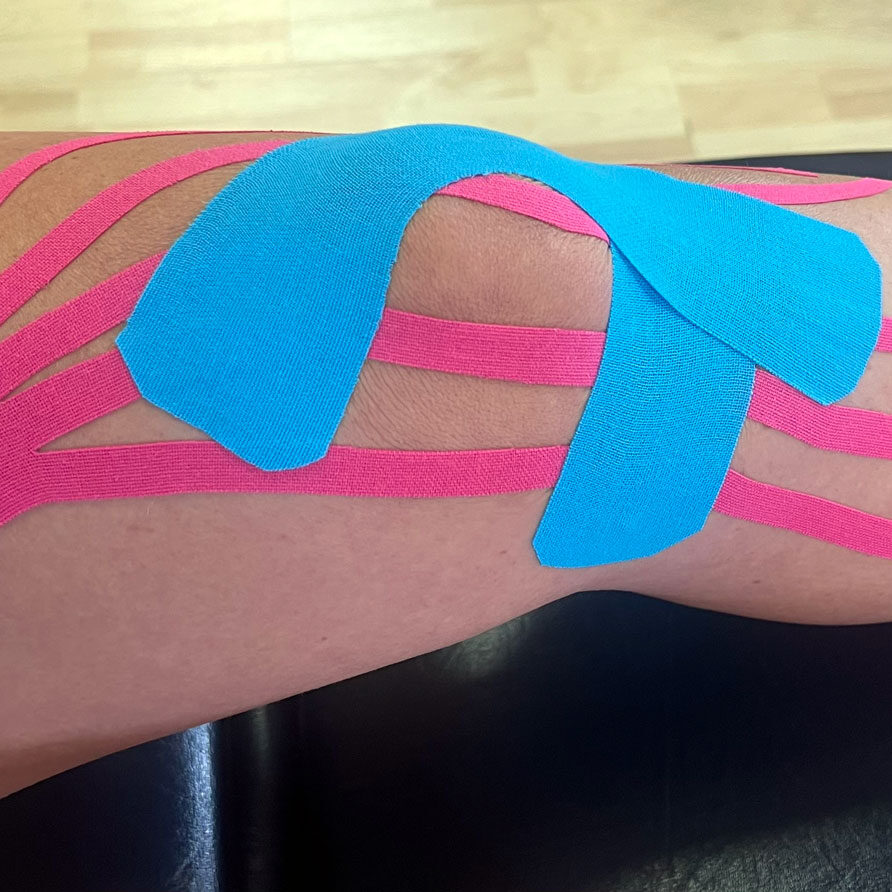
What It Is
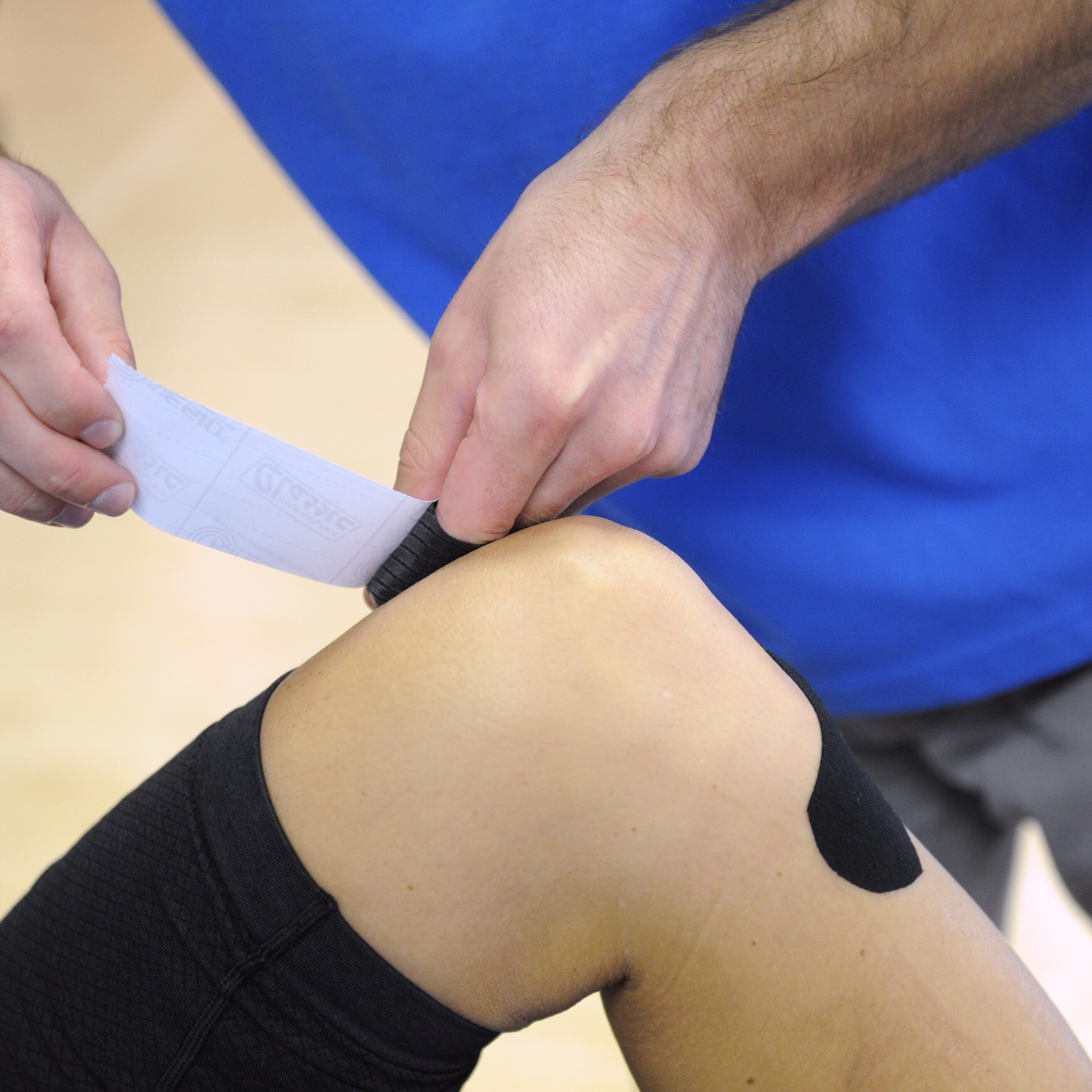
Taping techniques are used to support muscles and joints without restricting movement. Depending on your condition and goals, your therapist may use one of several taping methods—including Athletic Taping, McConnell Taping, and Kinesiotaping—to reduce pain, improve alignment, and enhance performance during healing.
Benefits
-
Supports injured muscles and joints without restricting mobility
-
Reduces swelling and inflammation
-
Improves circulation and lymphatic flow
-
Enhances muscle activation and movement patterns
-
Provides gentle, lasting support throughout daily activities
What to Expect
During your session, your physical therapist will evaluate your movement patterns and determine which taping method—Athletic, McConnell, or Kinesiotaping—is most appropriate for your condition. Application is precise and tailored to your needs.
-

McConnell Taping
Your therapist will use rigid tape to reposition and support a specific joint—often the patella. When applied correctly, this taping can provide immediate improvements in alignment, comfort, and functional movement.
-
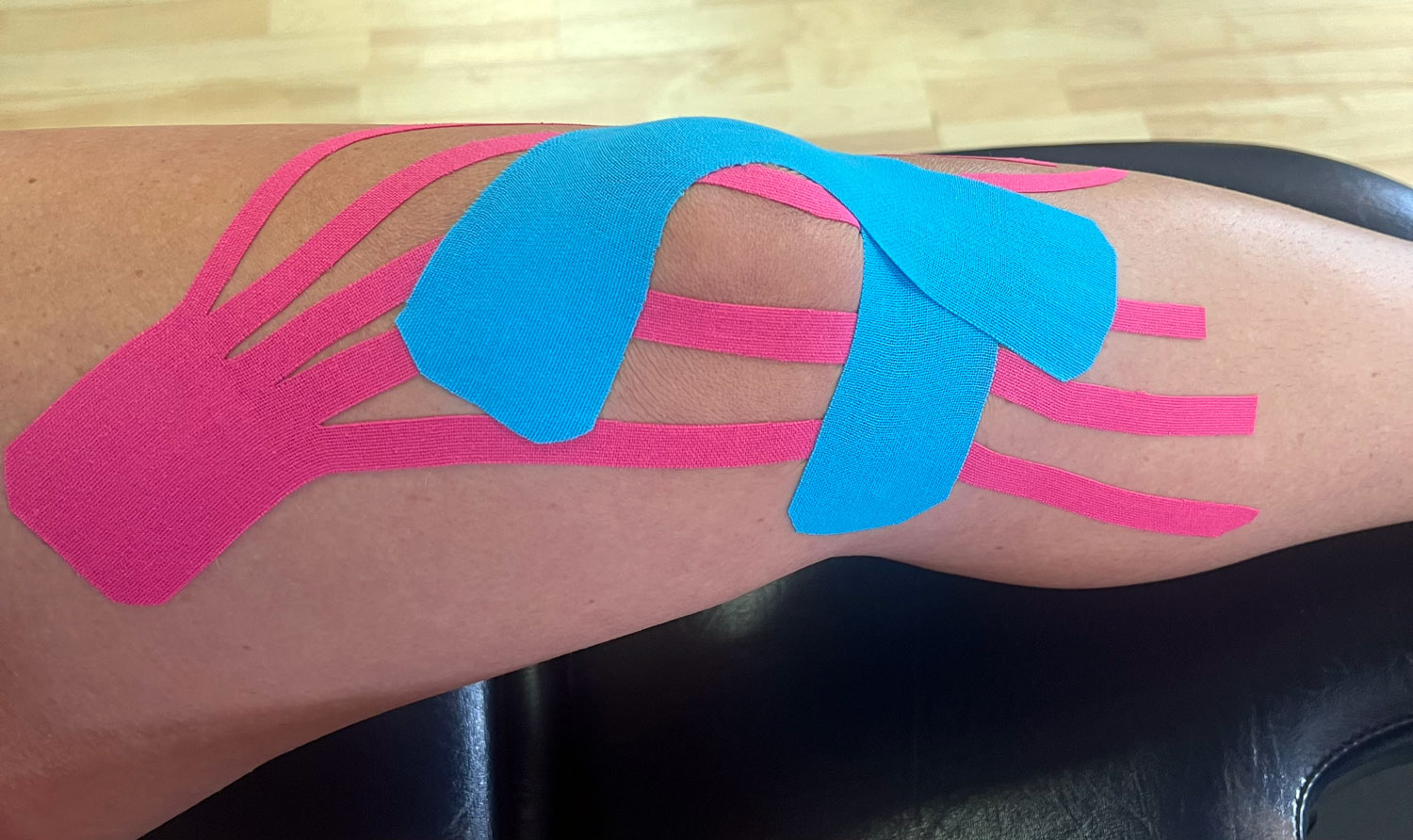
Kinesiotaping
You may feel gentle lifting of the skin that supports circulation and reduces tension while still allowing full mobility.
-
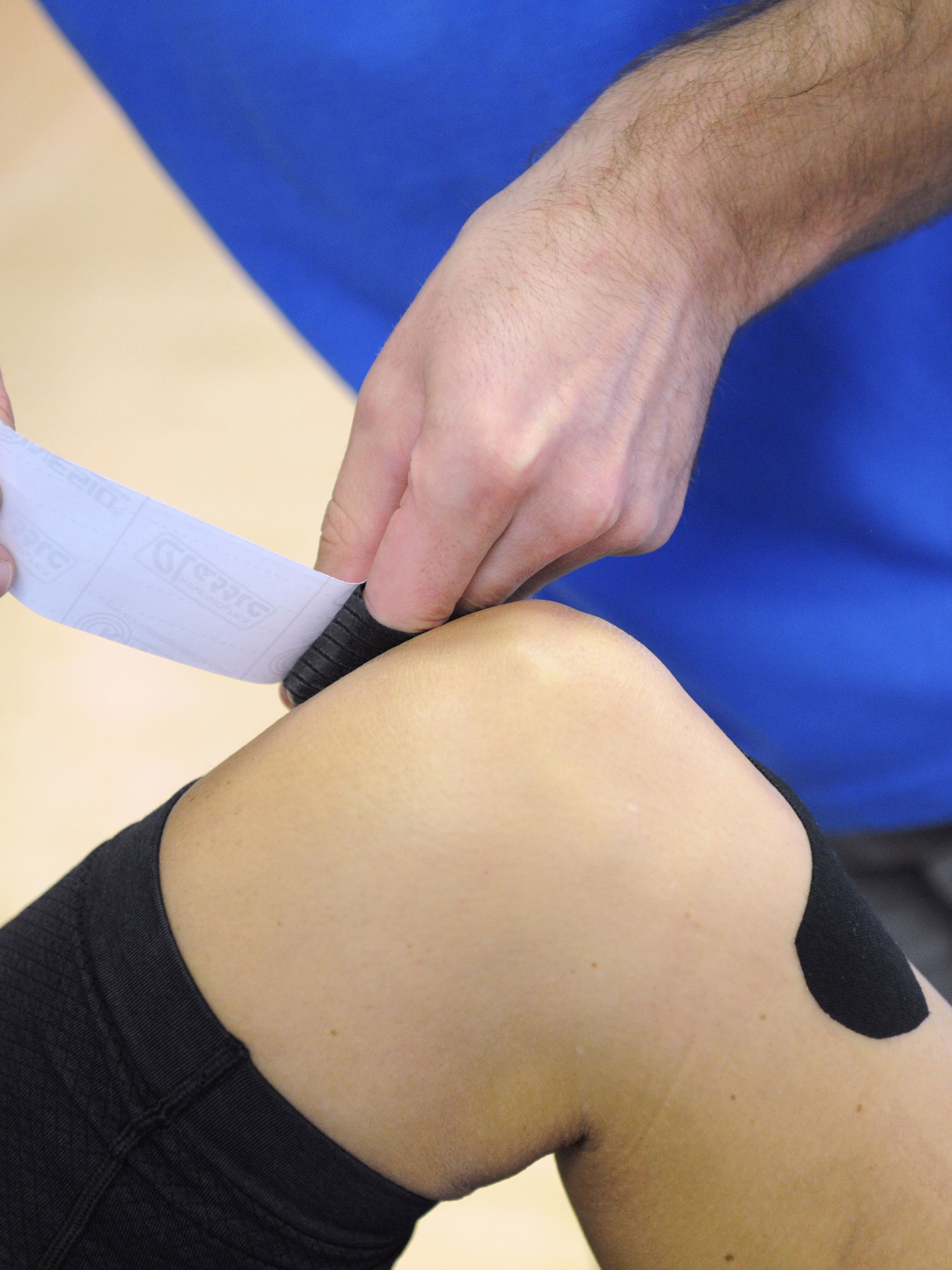
Athletic Taping
Expect firmer support designed to protect or stabilize a joint during higher-demand activity.